
Reflections from Fuad Mahamed, CEO of ACH, following Moon Executive Search's Housing Leadership Summit
At Moon Executive Search's recent Housing Leadership Summit, a strong theme to emerge was the importance of listening to the voices of those with direct experience of the challenges organisations are seeking to address.
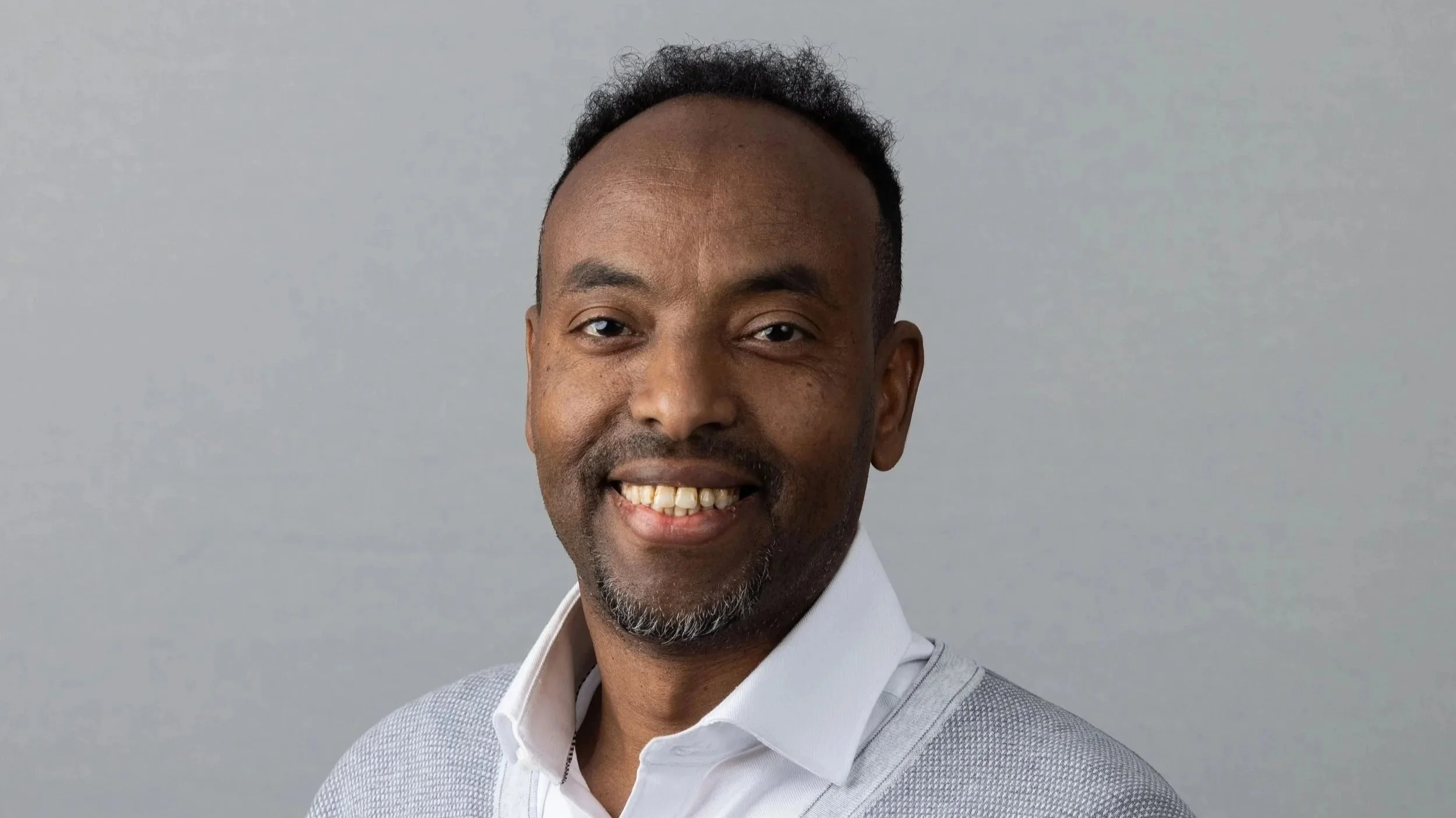
Few people embody that principle more than Fuad Mahamed, Chief Executive of ACH. Having arrived in the UK as a refugee himself, Fuad Mahamed has built ACH around the belief that lived experience should shape organisational thinking, service design and leadership decision-making.
That commitment is also reflected in ACH's governance. Earlier this year, Moon Executive Search was proud to support ACH in the appointment of eight new Non-Executive Directors, helping strengthen the organisation's Board as it continues to grow its impact across the housing, migration and integration sectors.
In this guest article, Fuad shares his perspective on why housing providers must move beyond traditional engagement approaches, how lived experience can drive better decision-making, and why housing, support and opportunity must work hand in hand to create meaningful integration.
Putting lived experience at the heart of integration: why housing, support and opportunity must go hand in hand
Lived experience is not simply something we talk about at ACH. It is part of who we are and how we believe organisations should work.
When I arrived in the UK as a refugee in 1998, I experienced first-hand the challenges of rebuilding a life in a new country. Finding somewhere safe to live was essential, but it was only the beginning. Navigating unfamiliar systems, accessing opportunities and finding a sense of belonging were equally important.
Those experiences shaped my decision to establish ACH in Bristol in 2008. From the beginning, I wanted to create an organisation that understood the challenges refugees and migrants face, not just from a professional or policy perspective, but from personal experience.
Today, that principle continues to influence how we recruit, how we design our services, how we engage with residents and how we work to change the systems that affect their lives.
There is growing recognition across the housing sector that residents should have a meaningful voice in the services they receive. But we need to go further than simply asking people for feedback.
Traditional engagement methods, such as surveys, consultation exercises and tenant panels, can work well for some residents. However, they do not necessarily reach everyone. Language barriers, previous experiences of trauma, cultural differences and distrust of authority can make formal engagement particularly difficult for refugees and migrants.
We need to recognise that when someone does not respond to a survey or attend a meeting, it does not mean they have nothing to say. Sometimes, it means we have not found the right way to listen.

We have always valued the knowledge and insight that come from lived experience, including within our workforce. Having colleagues who understand migration journeys and the challenges faced by the communities we serve helps us build trust and recognise barriers that might otherwise be overlooked.
We are now taking this commitment further through our Council of Elders pilot, supported by more than £70,000 of Government funding through the Social Housing Innovation Fund.
The idea is straightforward: rather than expecting residents to engage with us through formal structures, we want to reach people through individuals and community leaders they already know and trust.
The Council will bring together ACH residents with lived experience who can help us understand what matters to their communities and influence how our services develop. They will receive training in facilitation and inclusive engagement, helping ensure that quieter voices are also heard.
We are also committed to closing the feedback loop. Residents need to understand that we have listened and what we have done as a result. Engagement has little value if people share their experiences and never see any change.
I believe this approach has potential beyond refugee and migrant housing. Any organisation providing services to people should be asking whether its engagement methods genuinely allow everyone to participate.
The second principle that has shaped ACH is our belief that housing, support and integration must work together.
For someone rebuilding their life in a new country, having a safe and stable home is fundamental. It provides somewhere to sleep, cook, establish routines and begin to feel secure. But a tenancy alone does not automatically give someone the tools or opportunities to become independent.
People may also need help understanding the housing system, managing their finances, accessing immigration advice, improving their English, finding employment or developing the confidence to participate in their local community.
These challenges are interconnected. It is difficult to concentrate on learning English when you are worried about where you will sleep. It is difficult to secure employment without the right skills, qualifications or support. And it is difficult to build relationships and feel part of a community when you are constantly moving between temporary accommodation.

This is why ACH combines accommodation with tailored support, education, training, employment and enterprise opportunities.
Our support is designed around the individual. Someone who arrives with professional qualifications may need help understanding how to transfer their experience into the UK job market. Someone else may need English language training, support with everyday living skills or guidance on accessing local services.
The objective is to give people the stability and practical tools to move towards independence.
We also recognise that integration cannot be delivered by one organisation alone. It requires housing providers, local authorities, employers, colleges, universities, health services and community organisations to work together.
One of the most important lessons from our work is that people are not lacking ambition or potential. Many arrive in the UK with professional experience, qualifications, languages, business ideas and skills. Too often, the challenge is that systems do not recognise those assets or provide accessible routes for people to use them.
For me, the real measure of successful integration is whether people we serve have the opportunity to make their own decisions and contribute to the communities in which they live. That requires organisations to be willing to listen and recognise the knowledge that people bring through their own experiences.
ACH has grown considerably since our beginnings in Bristol, but our founding principle remains the same: refugees and migrants should be seen for their potential, not defined by the circumstances that brought them here.
We need to move away from thinking about what services we can provide to people and towards thinking about what we can achieve with them. That is how we build stronger organisations, better services and communities in which everyone has the opportunity to belong and thrive.
About the author
Fuad Mahamed is Chief Executive of ACH, a social enterprise and housing provider supporting refugees and migrants through accommodation, training, employment and enterprise opportunities. Having arrived in the UK as a refugee in 1998, Fuad Mahamed founded ACH in Bristol in 2008 and continues to champion approaches that place lived experience, inclusion and opportunity at the heart of organisational and community development.
About ACH
ACH provides housing, employment, learning and enterprise support for refugees and migrant communities across the UK. Moon Executive Search has supported ACH over many years and most recently with the appointment of Eight Non-Executive Directors helping strengthen its governance and future leadership capacity.
Visit ach.org.uk to learn more about their services, partnerships and opportunities to support their mission of putting housing, opportunity and lived experience at the heart of integration.